
Fun Fact!
In ancient times rosemary was believed to strengthen the memory. The Greeks wore Rosemary garlands around their heads while studying, to improve memory. In traditional beliefs and literature it is an symbol of remembrance and fidelity.
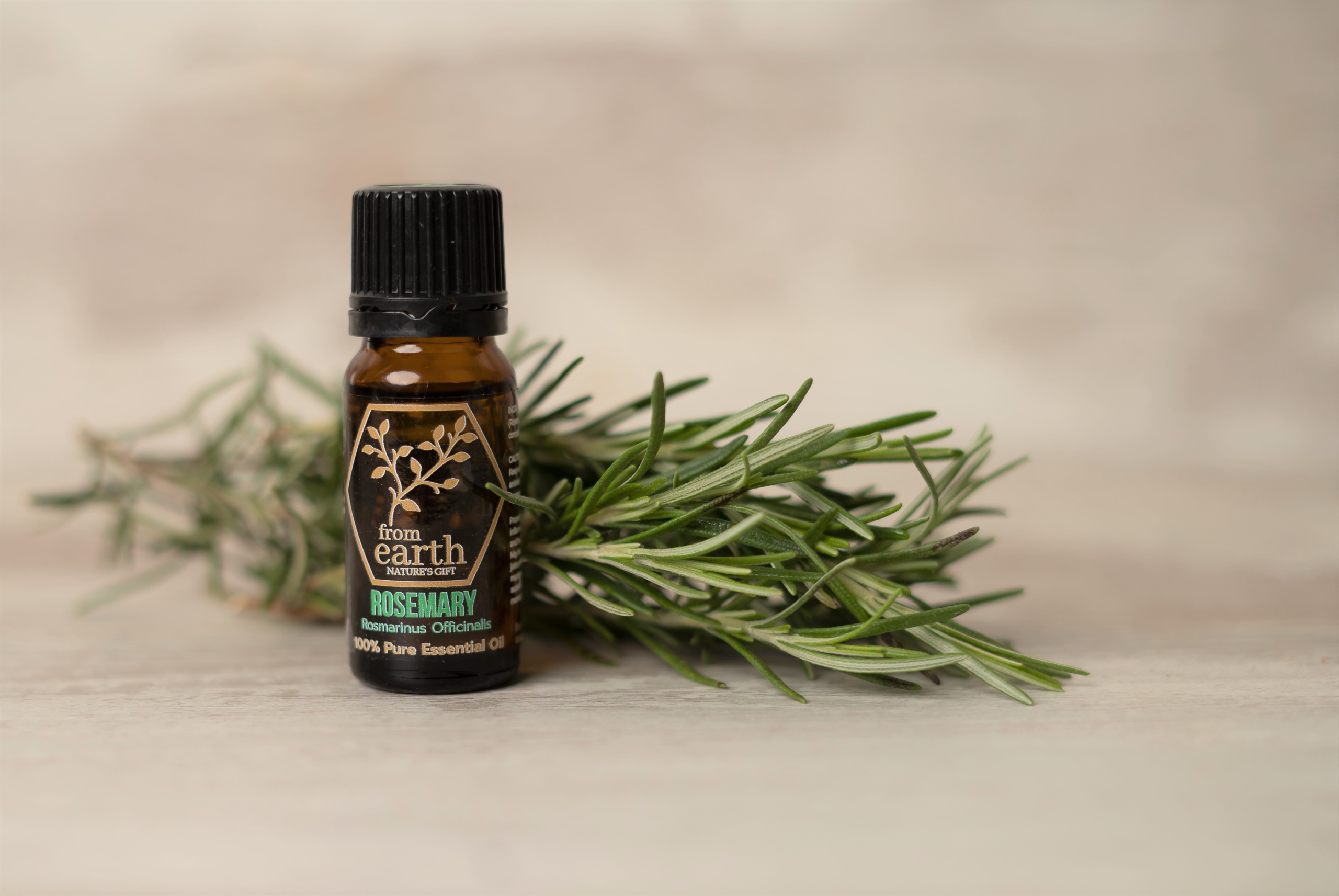
Rosemary, (Salvia rosmarinus), is a small evergreen plant of the mint family. It is a fragrant herb native to the Mediterranean region, rosemary has naturalized throughout much of Europe and is widely grown in gardens in warm climates. Rosemary receives its name from the Latin words “ros” (dew) and “marinus” (sea), which means “dew of the Sea.” It also grows in England, Mexico, the USA, and northern Africa.
Rosemary was considered sacred by ancient Greeks, Egyptians, Hebrews, and Romans. Both the Greeks and the Romans used Rosemary in almost all festivals and religious ceremonies, including weddings. The use of rosemary oil goes back centuries. Our love for this herb and its essential oil has continued through the ages. It is one of the most popular essential oils in aromatherapy.
When talking about herbs or rather queen of herbs, rosemary is always on the top of the list. Though rosemary is best known as food seasoning all around the world, it has other benefits as well, especially health benefits
Rosemary essential oil is rich in anti-microbial, anti-inflammatory, antioxidant rosmarinic acid, and anticancer properties.
Application of rosemary oil on the face has been known to reduce the inflammation caused by acne due to its antibacterial qualities. It helps to reduce undereye puffiness and also improves circulation, giving you healthy, glowing skin. It also helps fight sun damage and signs of ageing.
Please note: This is not a cure. Consult with your doctor before making any health changes. Especially any changes related to a specific diagnosis or condition.