
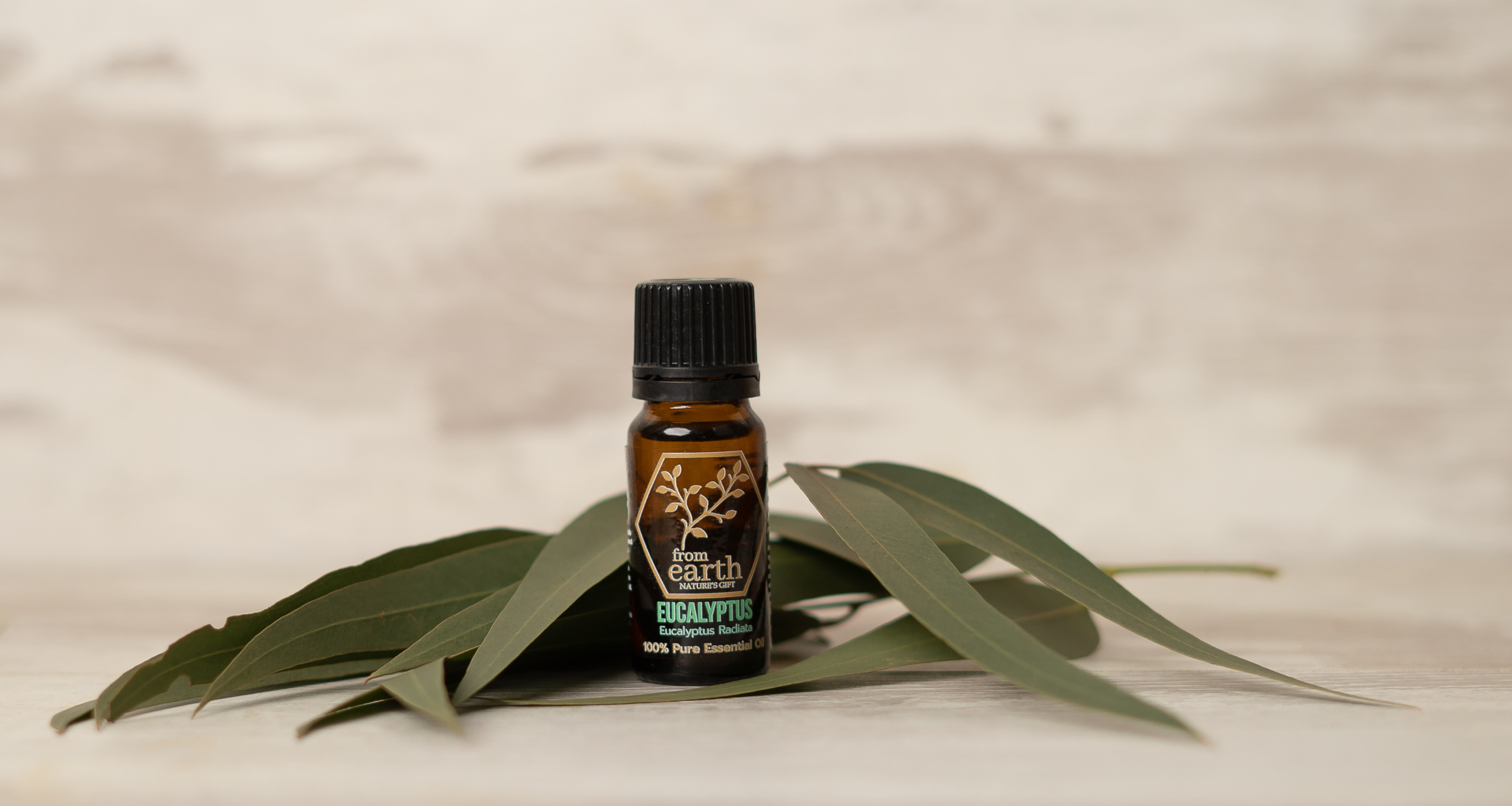
Fun Fact!
Before European settlement, Eucalyptus oil had long been valued by indigenous Australians who used the leaves for various medicinal purposes. But it wasn’t until Yorkshire pharmacist Joseph Bosisto immigrated in 1848 and became obsessed with the powers of this native plant that eucalyptus oil as a medicinal product became a reality.
Eucalyptus is a fast-growing evergreen tree native to Australia. Eucalyptus is mainly grown in Spain, China, South Africa, Portugal, Chile, and Russia.
Eucalyptus oil was used in respiratory medicine. The oil became a popular household remedy for ulcers, burns, and wounds. Modern uses of eucalyptus oil still extend to medical treatments. As an ingredient in many products, it is used to reduce symptoms of coughs, colds, and congestion. It also features in creams and ointments aimed at relieving muscle and joint pain.
Eucalyptus oils are some of the most important fragrance oils. Eucalyptus has a minty moderate scent and citrus overtones. Known for its powerful antiviral and antibacterial properties, eucalyptus is frequently used in diffusers. It’s excellent sinusitis and flu cure and is used to alleviate bronchitis symptoms. The essential oil has been around for centuries, and its modern uses are varied. Said to be one of the world’s most useful trees.
Eucalyptus oil was prominent in the Aborigines. Touted as a cure-all medication, the eucalyptus tree was harvested and adapted by many. Eucalyptus’s first major use was discovered by Baron Ferdinand von Muller, who intended to use eucalyptus oil as an antiseptic. In 1955, eucalyptus seeds were sent to Algeria by the French government to convert malaria-ridden swamps into dry, healthy soil. The oil became popular in World War 1, when it quelled a meningitis outbreak during the 1919 influenza epidemic. Toward the end of the 19th century, eucalyptus oil was used in most hospitals in England to clean urinary catheters. Modern research is now starting to back this practice up.
Please note: This is not a cure. Consult with your doctor before making any health changes. Especially any changes related to a specific diagnosis or condition.